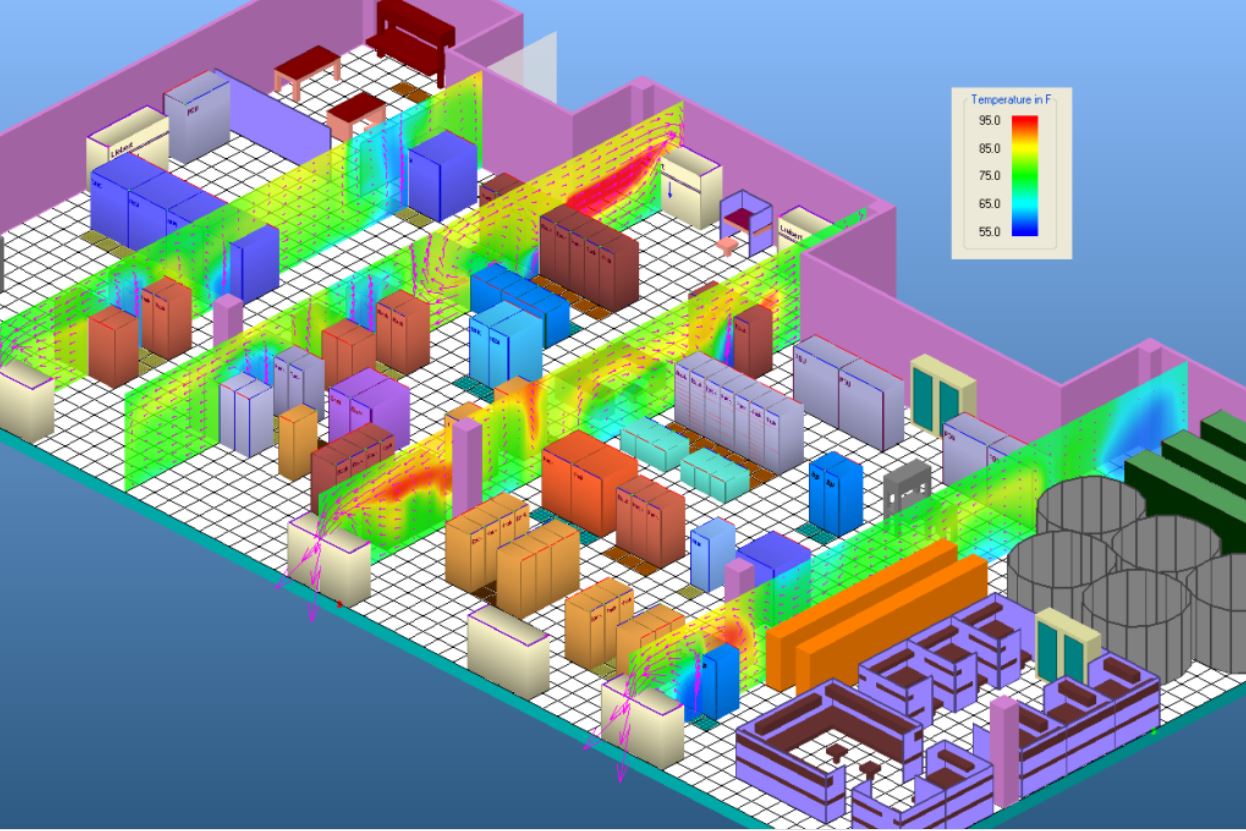
Our Expertise in Smoke Ventilation and CFD Analysis
Understanding the Role of Smoke Ventilation
Smoke ventilation systems are crucial for ensuring the safety of occupants in buildings during a fire. These systems are designed to remove smoke and heat from enclosed spaces, thereby providing clear escape routes and aiding firefighting efforts. Effective smoke ventilation not only enhances safety but also minimizes property damage by reducing the spread of fire and smoke.
Importance of CFD Analysis in Smoke Ventilation Design
Computational Fluid Dynamics (CFD) analysis plays a pivotal role in the design and optimization of smoke ventilation systems. By simulating airflow patterns, temperature distribution, and smoke movement within a building, CFD analysis allows engineers to:
- Optimize Ventilation System Layouts: Determine the most effective locations for smoke vents, dampers, and extraction points to ensure rapid smoke removal and efficient airflow.
- Evaluate Performance: Assess the effectiveness of different ventilation strategies under varying fire scenarios and environmental conditions.
- Comply with Regulations: Ensure compliance with local building codes and safety standards by demonstrating that the proposed smoke ventilation system meets required performance criteria.
How CFD Analysis Works
CFD simulations model fluid flow and heat transfer using numerical methods, providing detailed predictions of smoke movement and ventilation performance.
- Simulation Outputs: Results from CFD simulations include smoke concentration profiles, temperature distributions, and evacuation times, which are critical for assessing occupant safety and system effectiveness.
- Iterative Design Process: Engineers use CFD results to refine smoke ventilation system designs iteratively, optimizing layout and operational parameters for enhanced performance.